
NEWS 11.12.2025
Gas is becoming expensive – electrification is becoming even more valuable
Ralf Lanzrath
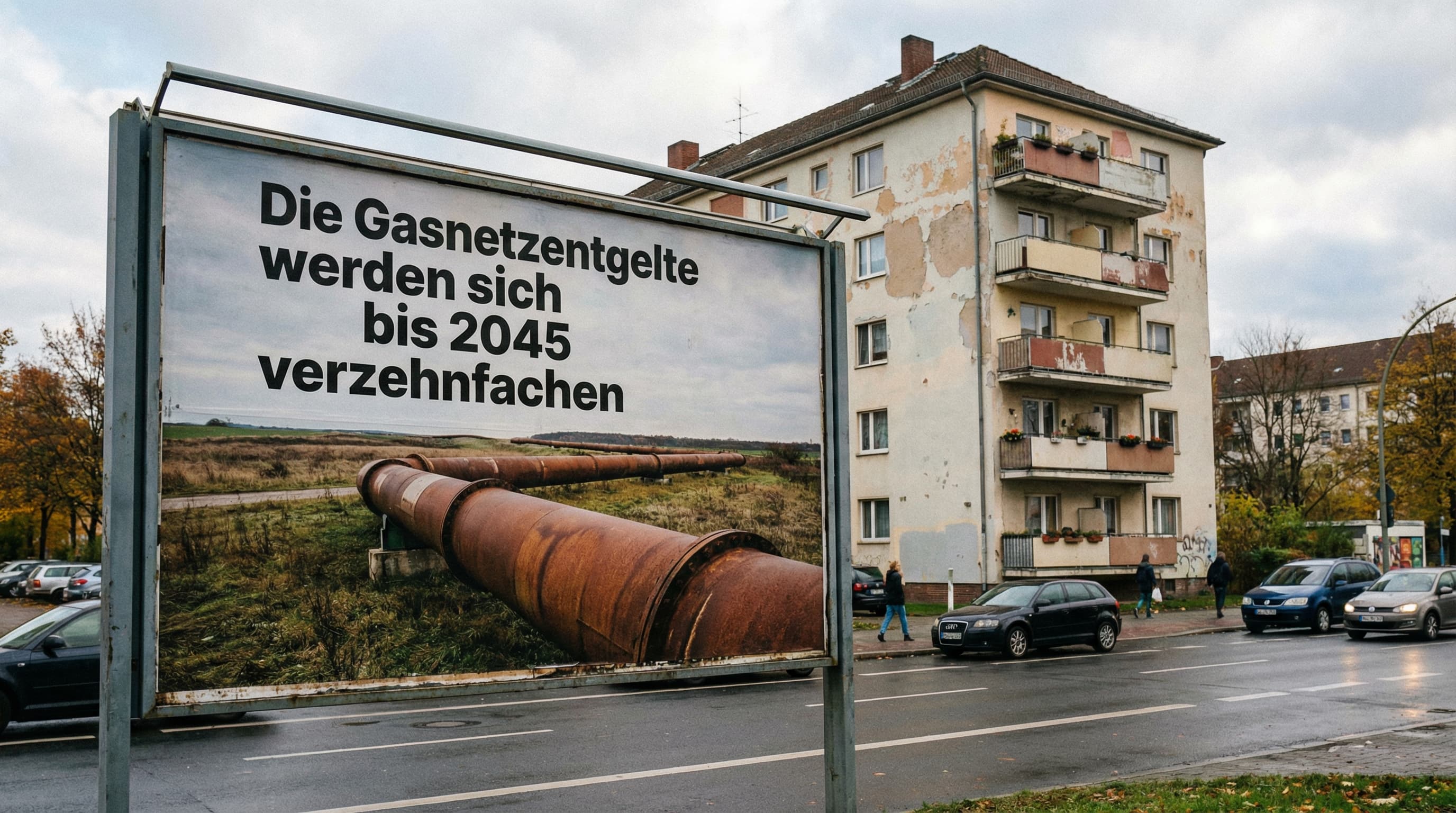
A new Fraunhofer study shows that gas network fees will increase tenfold by 2045. This is a game changer for the heating transition – and even more so for real estate investors. Those who still rely on gas today risk massive cost increases and losses in value. Digital and electrical solutions such as PAUL Performance and PAUL Net Zero now offer a clear financial advantage.
1. Gas: The new high-price risk for existing buildings
The Fraunhofer IFAM study predicts a dramatic cost development: Gas network fees will rise from around 2 ct/kWh today to up to 22 ct/kWh in 2045. This corresponds to a tenfold increase in network costs – regardless of the actual gas price. The last households remaining on the network will pay the highest costs. For an average household, this will result in additional costs of €3,000 to €4,000 per year. Gas demand will decline sharply over the next 10 years. The effect: fewer customers will share the network costs. The study shows that the last users remaining on the gas network will bear the highest costs – a classic death spiral effect.
For real estate investors, this means that gas will not become a cheap energy source, but a structurally expensive one.
2. Why electric heating systems are now becoming structurally cheaper
While gas networks are being dismantled, electric heating solutions are becoming increasingly efficient and affordable. Heat pumps completely bypass network charges and can be operated with their own PV electricity. At the same time, they benefit from economies of scale, falling operating costs, and a stable regulatory outlook.
3. The investment case: decarbonization as a driver of returns
Digital and electric heating solutions are no longer just an ESG bonus—they secure cash flows:
- Less risk: independence from future grid fees
- More predictability: stable and low operating costs
- Higher building value: better ratings, lower depreciation
- Better financing: banks prioritize green assets

Sascha Müller, CEO PAUL Tech AG
"Fossil fuels are becoming increasingly expensive, risks are rising—and the lack of phase-out plans only exacerbates the situation. Electrification now is the only rational decision."
Sascha Müller, CEO PAUL Tech AG
4. Why PAUL Tech is now becoming a strategic advantage for investors
PAUL Performance
AI-based heating optimization reduces energy consumption by up to 30% without replacing the heating system – ideal for increasing net operating income in the short term.
PAUL Net Zero
Complete electric heat generation with heat pump + PV + energy management. The solution is financed through a contracting model using existing heating costs – ideal for capex-sensitive portfolios.
Financial advantage
With PAUL, investors can immediately escape the gas risk spiral, increase their energy efficiency rating, and protect the value of their portfolio in the long term.
Why real estate investors should act now
1. Avoid future operating cost explosions
Those who purchase gas today will find themselves in a cost trap in 10–20 years – even if few customers remain, they will bear the full network costs.
2. Protection of portfolio value
Banks, funds, and ESG ratings devalue fossil fuel-dependent buildings. Electrified properties, on the other hand, receive preferential financing and better ratings.
3. Attractive returns through energy savings
- 10–30% less energy consumption through digital optimization
- Up to 77% less final energy demand in PAUL Net Zero projects
These are real, measurable returns.
4. Lower vacancy risks
Heating costs are a key factor in tenant satisfaction. If gas network fees rise → warm rents rise → rentability falls.